Combining innovation and sustainability through the use of white cement
Tekst en beeld Aalborg Portland
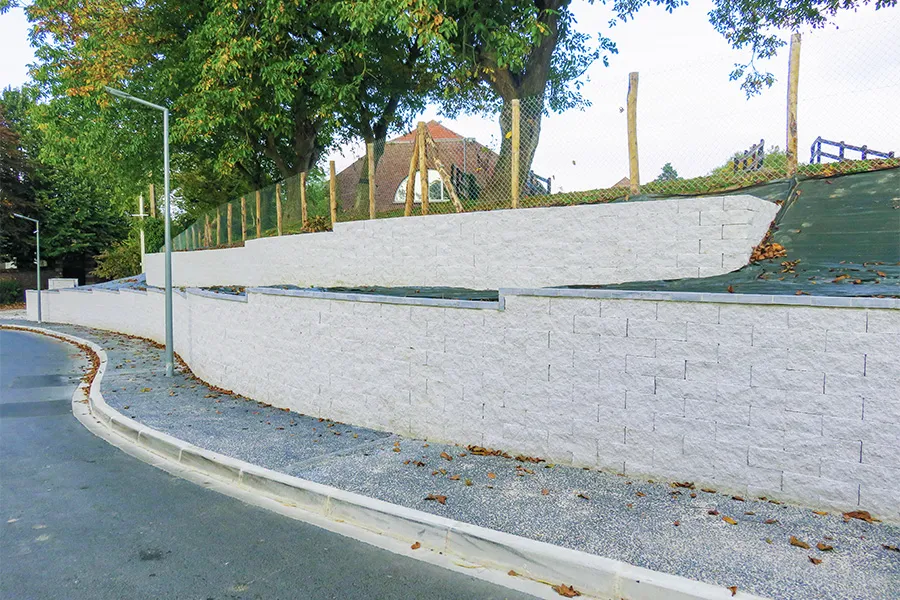
With lower-CO2 D-Carb cement, renewable energy and recycled materials, Aalborg White® is leading the way towards a more sustainable future. We had the opportunity to interview Sigrid Frederickx, General Manager of Scheys Beton, about how the company is embracing sustainable practices. What impact does using low-CO2 D-Carb white cement have? And what is Scheys Beton’s vision for innovation in the sector?
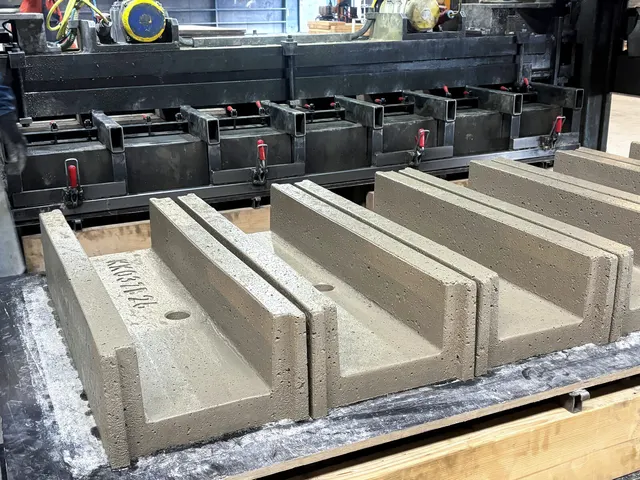
Frederickx: “Our vision is to combine tradition with innovation, focusing on sustainable products that also deliver excellent performance and respond to the changing needs of the construction sector. ‘Innovation is our motivation’ has always been our motto, and that has not changed with the generational handover. On the contrary, innovation is one of Scheys Beton’s greatest strengths.” She continues: “Sustainability is an integral part of our company’s DNA. We are constantly looking for ways to reduce our environmental footprint by optimising production processes, sourcing environmentally friendly materials or implementing energy-efficient solutions. We have also made considerable efforts to develop an environmentally friendly, 100% Cradle to Cradle dry-stack system. Our Stackton technology is a prime example of our commitment to sustainability. The system contains a significant proportion of recycled materials without compromising structural integrity.”
“As you can see, sustainability is in our DNA,” Frederickx stresses. “D-Carb cement is a perfect fit. Until now, we have focused mainly on the technology behind the product, but we can now also innovate through the raw materials and components we use. This enables us to stay at the forefront of sustainable construction and meet the growing demand for environmentally friendly solutions.”
Transition to low-carbon production
“We have made several strategic investments to support sustainable production,” Frederickx continues. “One of our key initiatives is using renewable energy, such as solar power, at our production sites. Our production halls and office buildings are equipped with solar panels. We have also optimised our production processes to minimise waste and use materials more efficiently. In addition, we have invested heavily in developing environmentally friendly construction systems, such as our patented Stackton dry-stack system, which contains more than 40% recycled materials. Using low-CO2 white cement, such as D-Carb, further enhances the sustainability of our products and allows us to remain true to our mission of reducing CO2 emissions.”
Maintaining high performance
“Our low-CO2 concrete products meet the same high performance standards as conventional concrete,” Frederickx stresses. “By using lower-CO2 D-Carb cement, we maintain structural durability and strength while significantly reducing CO2 emissions during production. Although switching to low-carbon materials requires some adjustments to the mix design, product quality remains unaffected. From a cost perspective, the initial investment in sustainable materials may be higher, but over the long term they often deliver savings through improved efficiency, compliance with stricter regulations and suitability for certain projects. By proactively adopting sustainable solutions, we remain a leader in the sector and anticipate stricter environmental regulations and future market requirements.”
Applications of low-carbon concrete and customer satisfaction
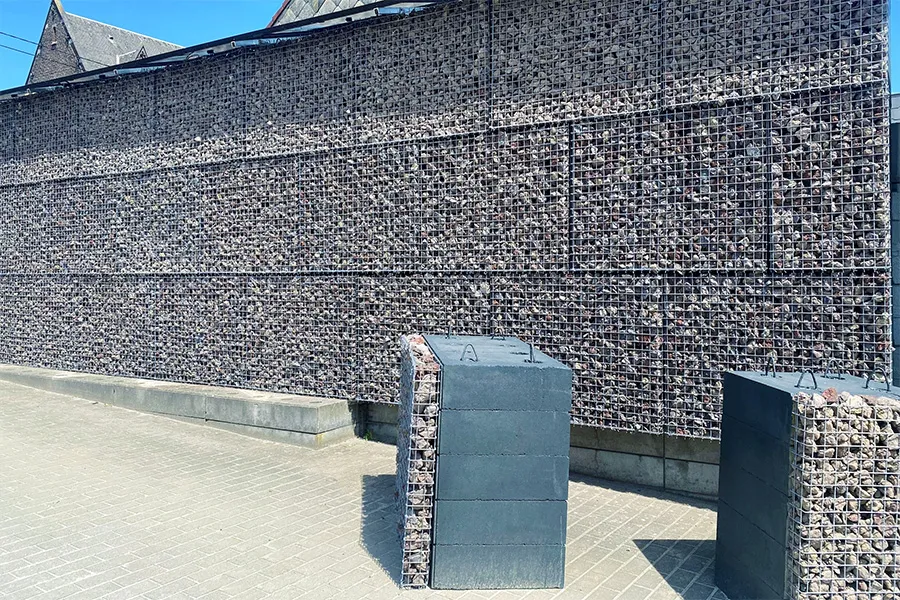
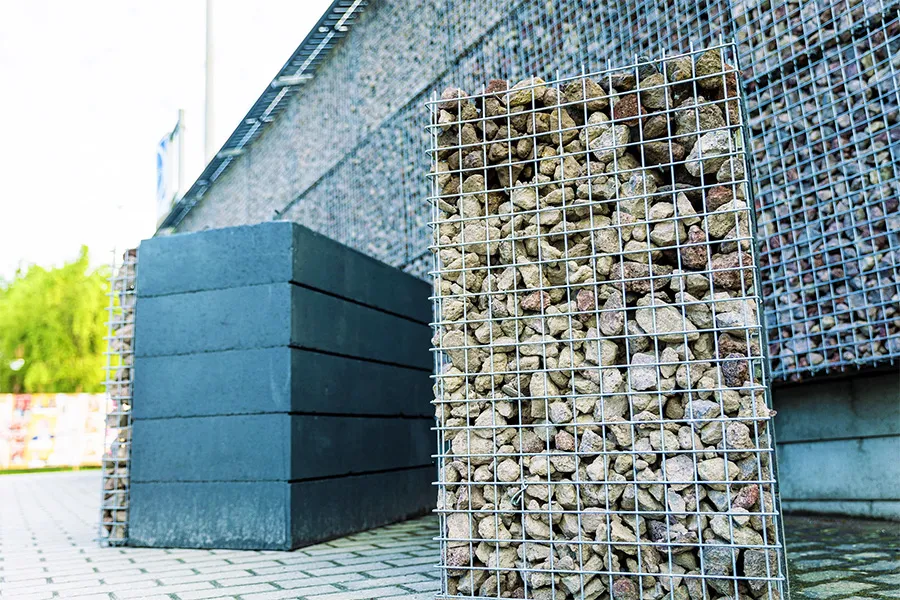
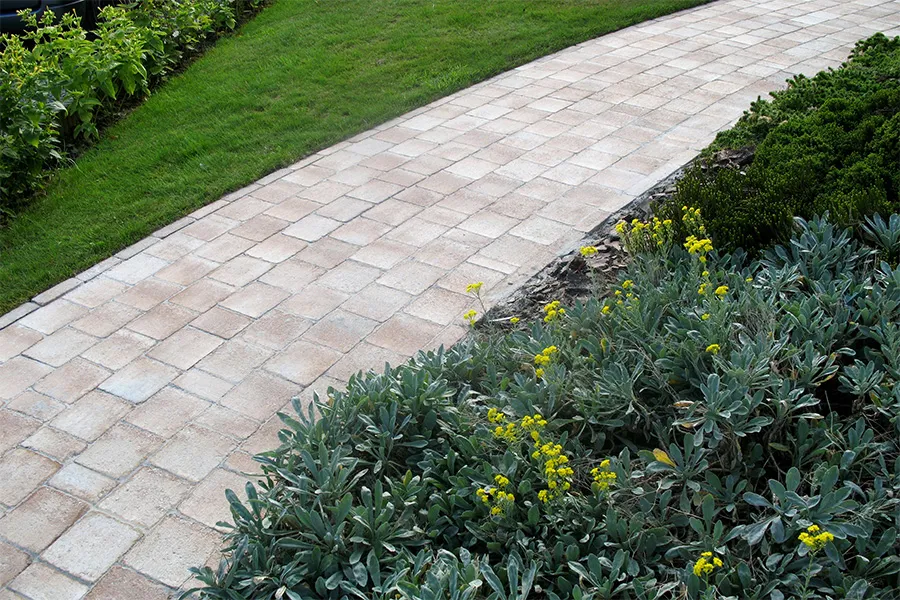
“Our low-carbon concrete products are widely used in infrastructure, residential and commercial construction projects,” says Frederickx. “They are particularly valuable in public projects where environmental impact is a major consideration. Clients and project developers have given us very positive feedback, not only because of the environmental benefits, but also because of our products’ high durability, ease of installation and aesthetic appeal. Our MegaStackton noise barriers, for example, are specially designed to improve the living environment, making them particularly suitable for the public sector. They excel at sound absorption and reduction, are quick to install and blend seamlessly into natural surroundings thanks to their attractive design with pre-filled gabions.” MegaStackton also offers opportunities for additional applications, such as installing solar panels on top of the elements. “This makes it possible to generate energy exactly where it is needed: alongside motorways to charge electric vehicles and along railway lines to power trains, without the need for expensive distribution infrastructure.”
Een zakelijke vraag aan Aalborg Portland Belgium? Neem contact op
Bedrijven in dit verhaal
Blijf dit volgen
Bij een nieuw verhaal krijg je een e-mail. Geen account nodig.
- ThemaMinder CO2 in beton en staal
- OnderwerpConcrete
- BedrijfAalborg Portland Belgium