Preserve or demolish concrete structures?
Tekst en beeld FEREB vzw
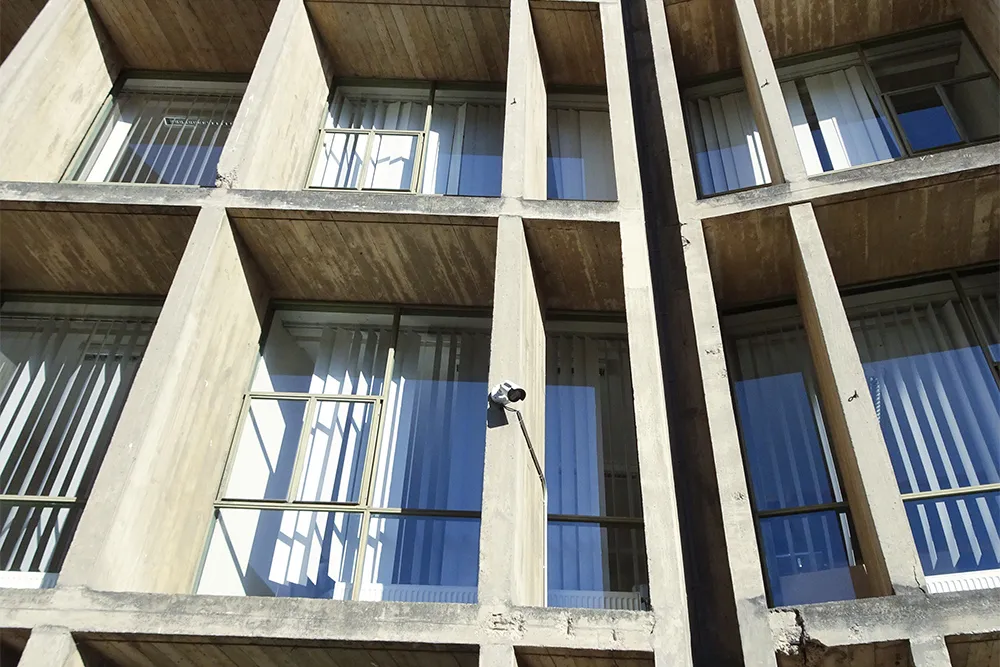
With increasingly stringent standards on CO2 emissions, many buildings no longer meet the requirements. After all, many apartment blocks and offices date from the 1960s, 1970s and 1980s. Should we demolish these buildings, or can we renovate them to improve their energy performance, repurpose them or upgrade them? Many factors need to be considered when making this choice, says FEREB. “There are many voices calling for buildings to be preserved. We take into account technical, economic, social and, above all, environmental factors.”
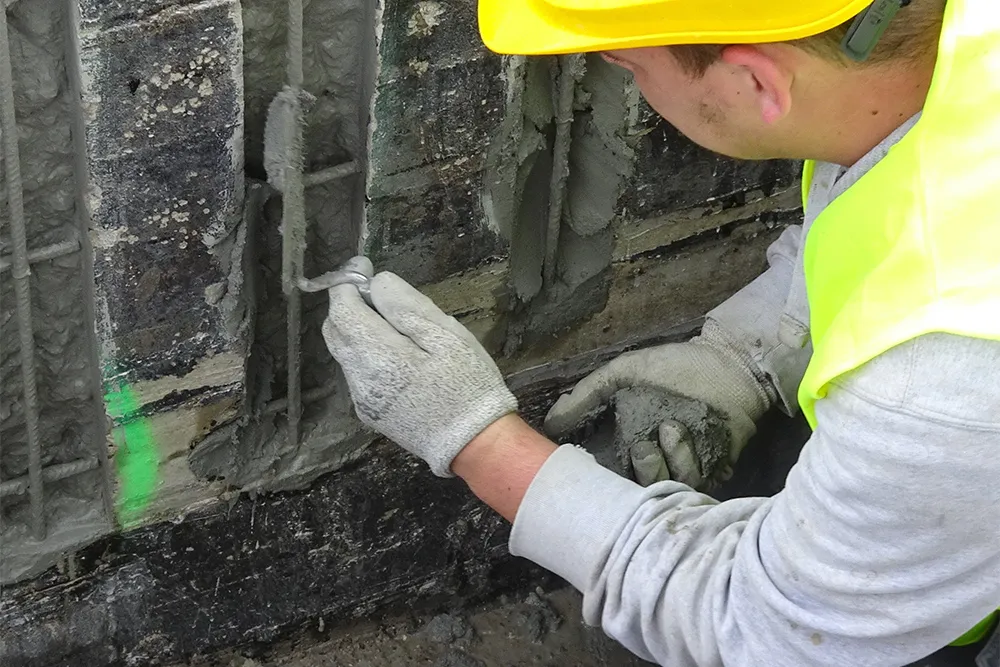
Durable repair of damage
A thorough preliminary investigation often reveals concrete damage when assessing the technical options. In most cases, this damage, whether aesthetic or structural, can be repaired sustainably. A specialist contractor is engaged to carry out the necessary repairs using suitable products. As well as repairing and insulating the building envelope, outdated building services are also upgraded.
Renovation is often cheaper than demolition and new construction from an economic perspective too. After all, it is not always necessary to renovate the entire building. In many cases, large sections, such as the structure, lifts and utilities, can be retained. Many residents will already have renovated their apartments, and demolition would represent a significant loss. Renovation can save on expensive building materials and high labour costs. Adding extra storeys to buildings can also offer a financial solution.
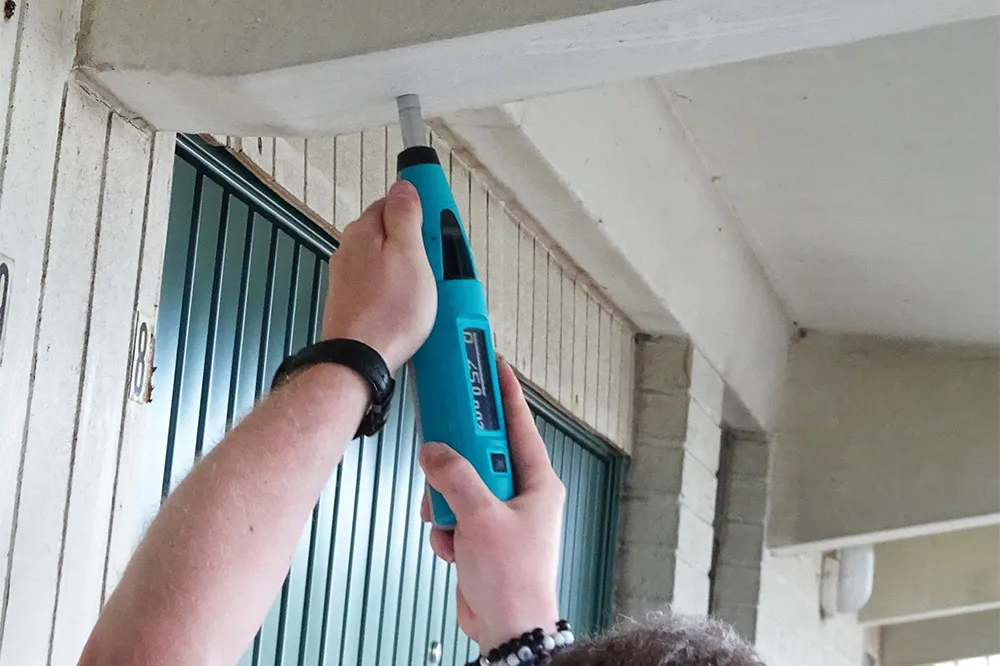
Social impact
Another important consideration is the social impact. With renovation, residents can often remain in their own neighbourhood, or need to move elsewhere for only a short time. Demolition and new construction, by contrast, take considerably longer. However, the strongest argument for renovation is its environmental impact. Demolishing a building already generates substantial CO2 emissions. Demolition and the removal of construction waste place a burden on the environment. A new structure then has to be built, requiring new, scarce raw materials, as well as the production and delivery of building materials. Taking account of the embodied carbon in existing and new structures, preserving buildings can be said to be considerably more environmentally friendly than demolishing them.
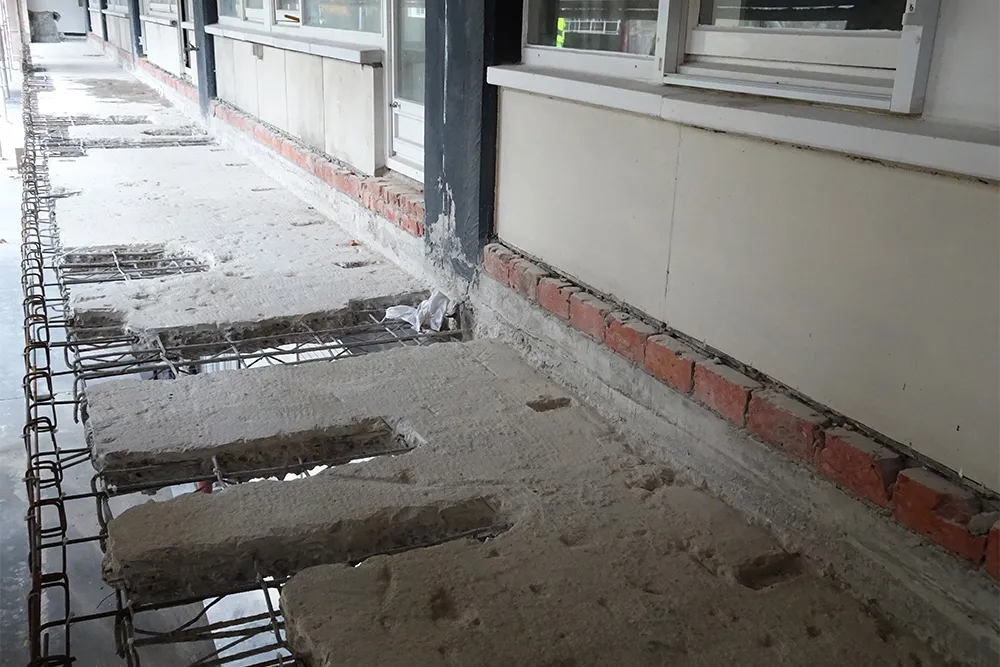
Concrete Day
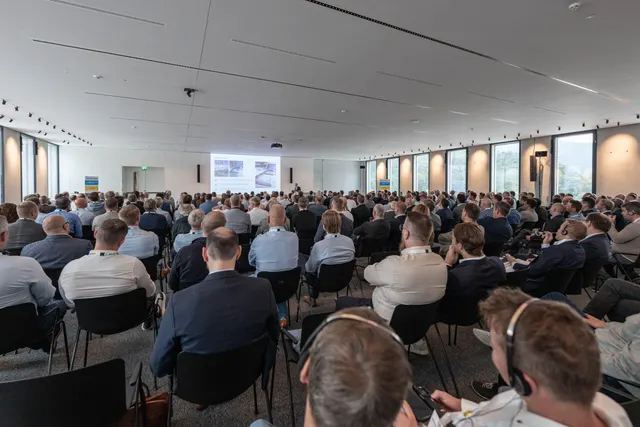
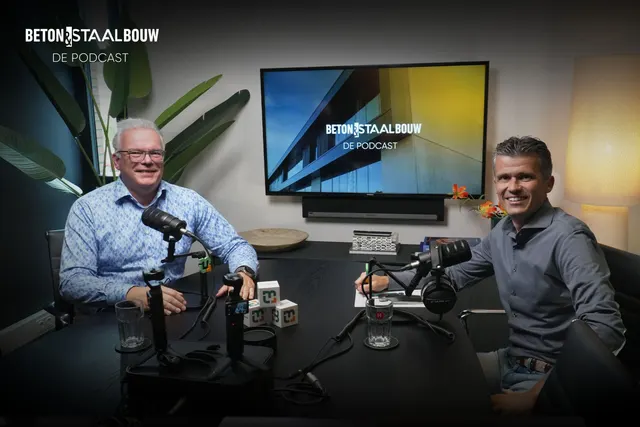
At the Belgian Concrete Day on 9 November, FEREB held a panel discussion on the theme ‘Demolish or preserve concrete structures’. Four experts in sustainable construction and renovation, Erik Wieërs (Vlaams Bouwmeester), Joost Declercq (Archipelago), Jo Huygh (DUSS) and Joris De Baes (Redevelop, representing FEREB), shared their views, drawing on economic, environmental, technical and social perspectives.
Een zakelijke vraag aan FEREB vzw? Neem contact op
Bedrijven in dit verhaal
Blijf dit volgen
Bij een nieuw verhaal krijg je een e-mail. Geen account nodig.
- ThemaMinder CO2 in beton en staal
- OnderwerpConcrete
- BedrijfFEREB vzw