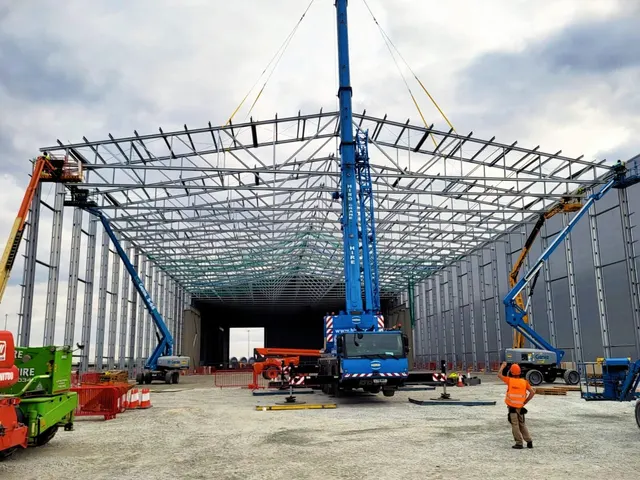
Software for industrialised element manufacturers
Tekst Roel van GilsFotografie Profity
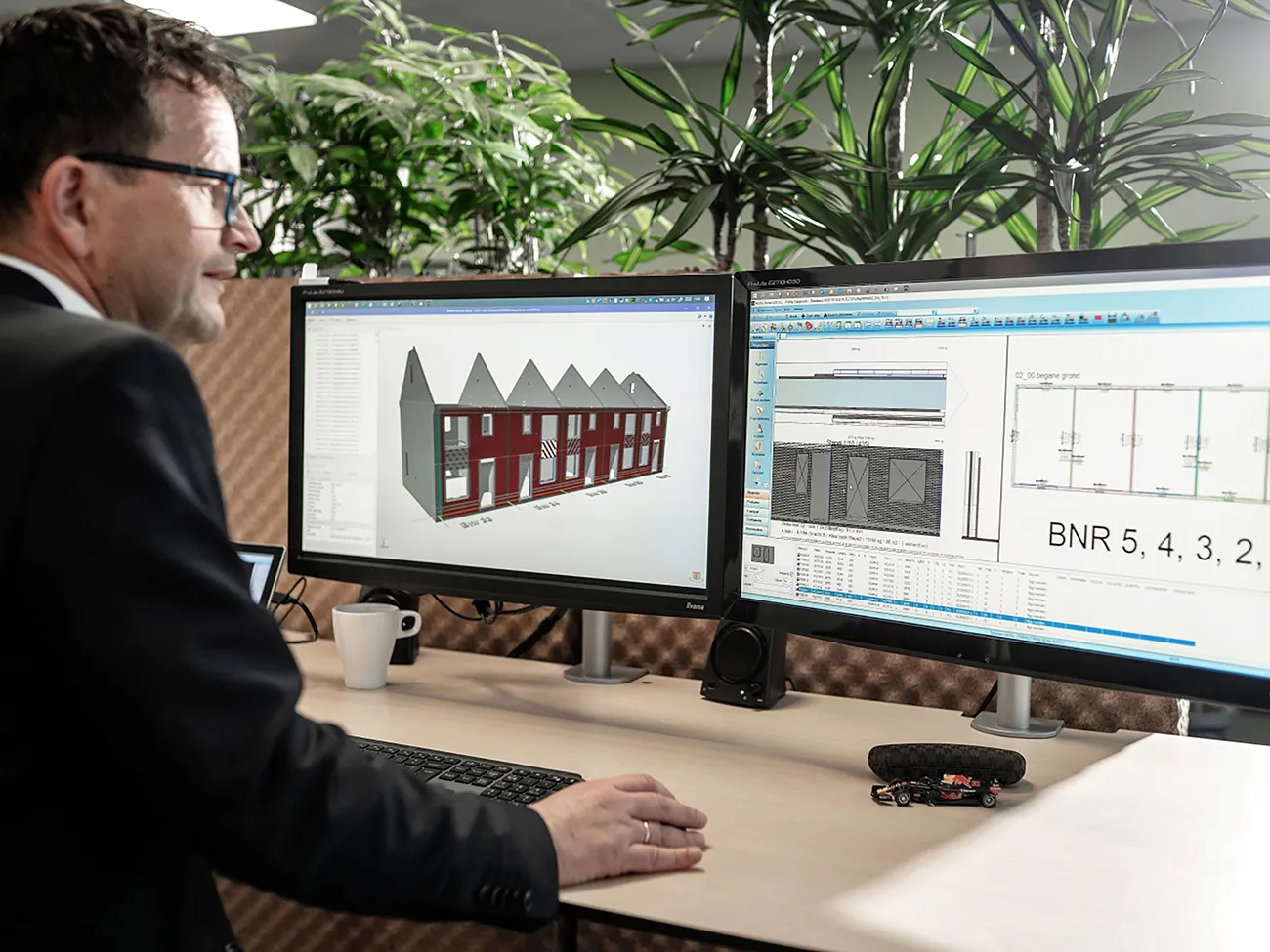
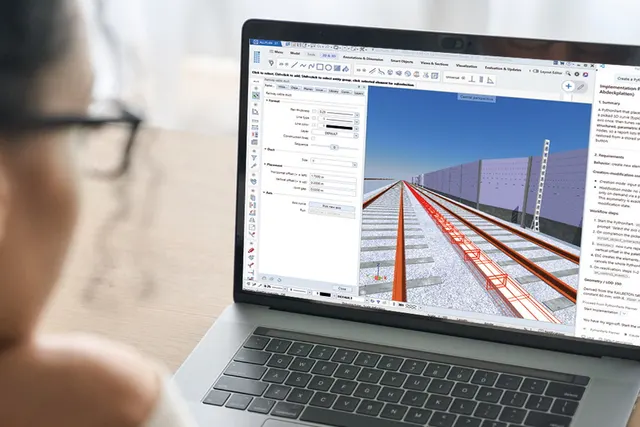
BIM is now well established in the construction sector. What we are seeing now is industrialisation taking on an ever-greater role in construction. Significant investment is being made in the factory production of elements that only need to be assembled on site. Henk Jan Nieuwenhuis of BIM4Production, a software environment for managing a production process based on 3D BIM models, explains.
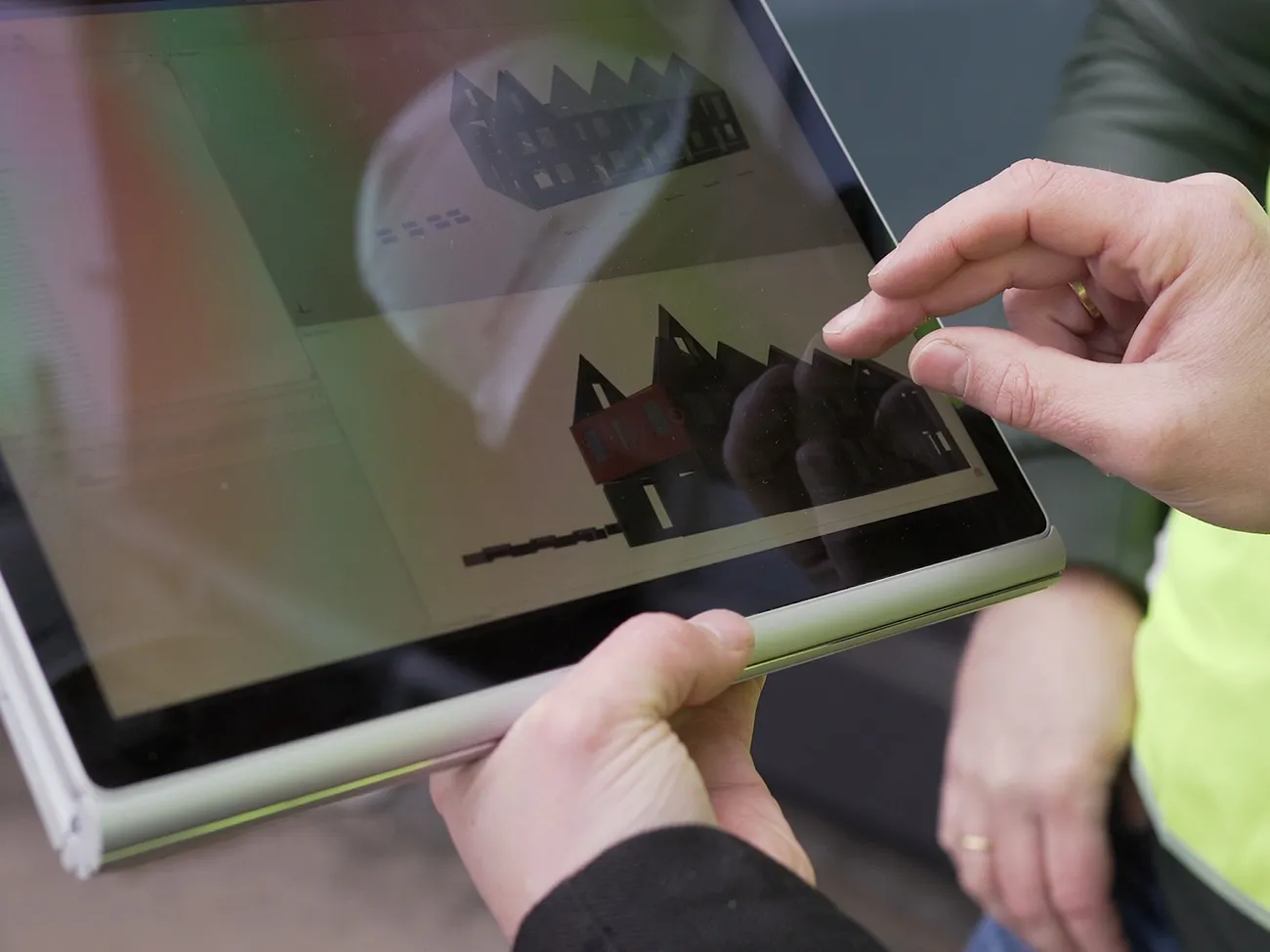
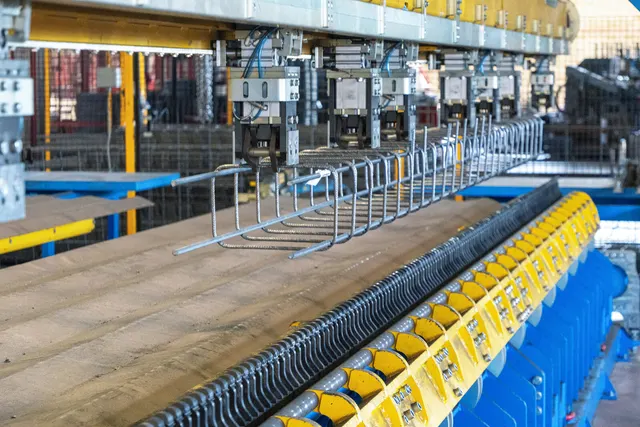
BIM4Production is the result of many years of experience in precast concrete, façade and steel construction. The software was developed under the umbrella of its parent company, Profity. “With Profity, we help companies in the sector keep their projects under control in terms of time, cost and quality,” Nieuwenhuis explains. “Think of it as a comprehensive, sector-specific ERP system for suppliers in the construction supply chain. Driven by labour shortages, sustainability ambitions and the need for a more efficient flow in the prefabrication process, the construction supply chain is making major investments in automation and robotics. BIM4Production is designed to address these needs. The software enables companies to manage their planning, production and logistics efficiently using 3D BIM models.”

3D BIM models
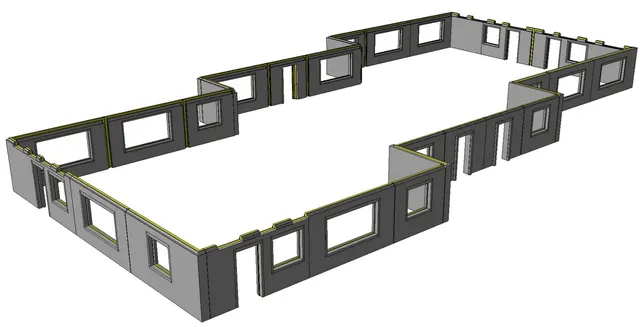
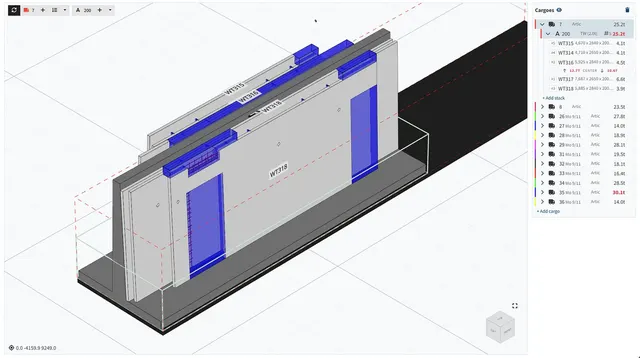
BIM4Production is marketed as standalone software. “Companies that do not use Profity ERP can also use BIM4Production to manage the entire factory workflow using 3D BIM models,” says Nieuwenhuis. “The platform essentially has a universal connection hub that links to third-party software. At the heart of our solution are the existing 3D BIM models, which we import and enrich with production information and status updates. Elements are, as it were, handled graphically and broken down in planning terms to optimise the management of the production process. The software therefore manages the entire factory workflow, from engineering to production to assembly, and back again in planning terms. Drawings of components or elements are finalised and produced only when they are needed, rather than according to an abstract schedule. The software also supports the efficient transport of elements. This also puts an end to spreadsheet chaos and paper call-off lists.”
Visual production planning
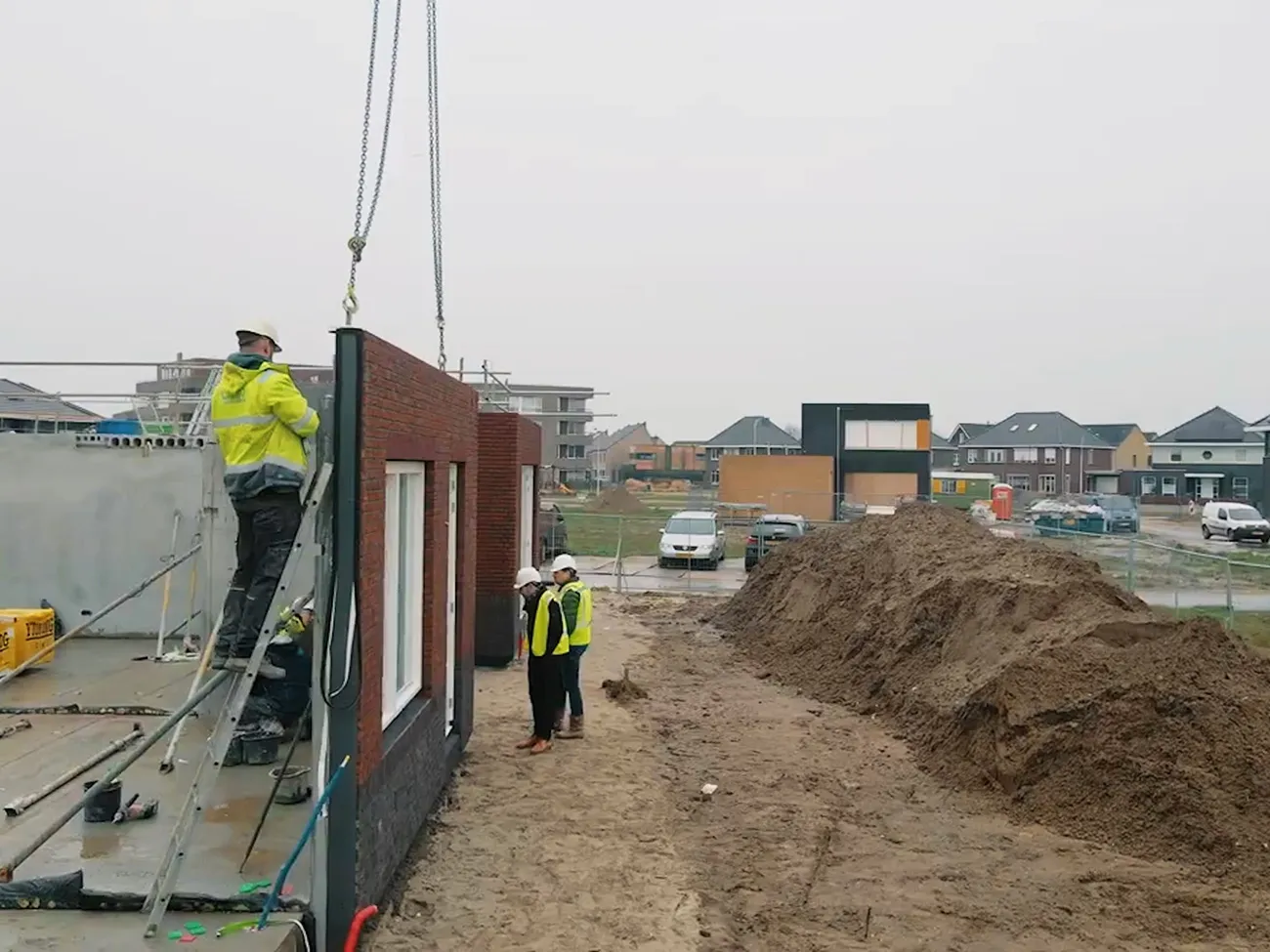
BIM4Production can be used to manage the production and planning of all kinds of industrially manufactured elements, including walls and floors, timber or concrete components, window frames and even complete façades. Nieuwenhuis says: “Our software is operational at several clients, including Spaansen, a supplier of structural concrete walls and floors. The company works on dozens of projects at a time. Each project consists of hundreds of drawings showing tens of thousands of elements to be produced. Our software uses 3D design information from BIM models to create a visual production plan for all those elements. The software then uses that plan to control the machines or robots that manufacture the products in the factory. The visual planning across multiple sites and production stages provides real-time insight into every aspect of a project, ensuring that each project’s required products are always produced and delivered when they are needed.”
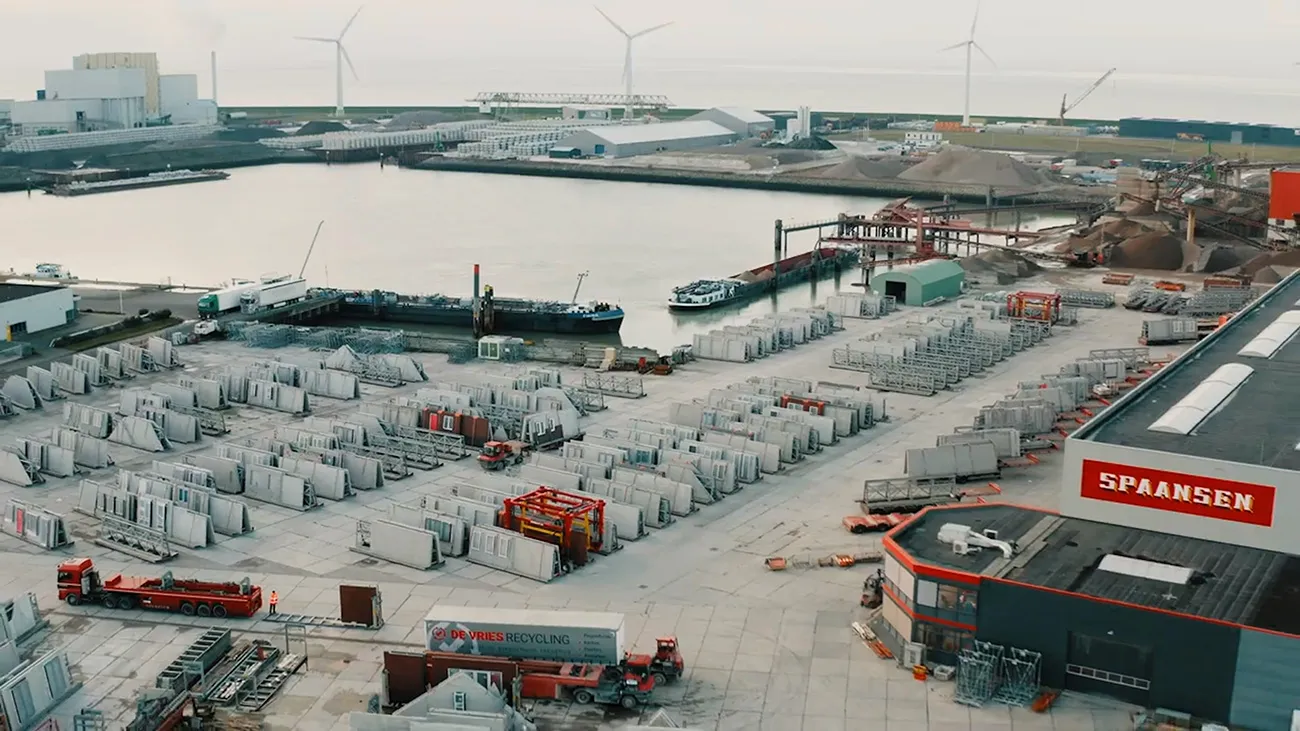
Work is currently under way on a BIM4Production platform, which will be officially launched in Q2 of this year. “The first components are now being developed for the platform. For example, we are working on an element app that gives users access to all the detailed production information they need in the workshop and on site. The app’s quality module is designed to prepare us for the Quality Assurance Act, enabling quality requirements to be recorded for each element,” Nieuwenhuis concludes.
Een zakelijke vraag aan BIM4Production®? Neem contact op
Bedrijven in dit verhaal

Blijf dit volgen
Bij een nieuw verhaal krijg je een e-mail. Geen account nodig.
- ThemaDigitaal van ontwerp tot montage
- OnderwerpSoftware & automation
- BedrijfBIM4Production®
- BedrijfNieuwenhuis.nl