









Maintaining historic concrete structures requires a specific approach
Text Roel van GilsImage RCE
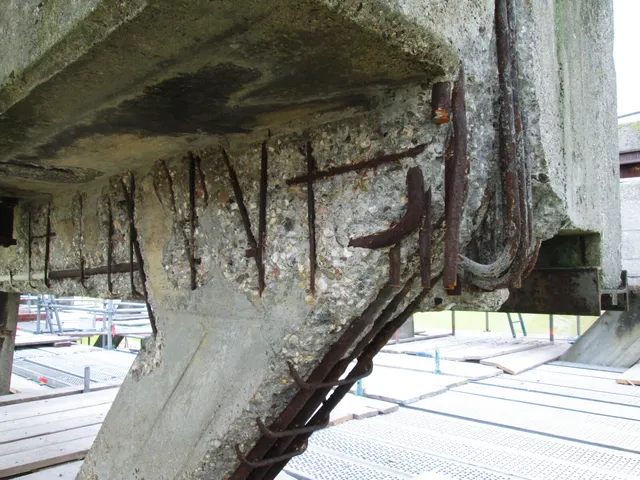
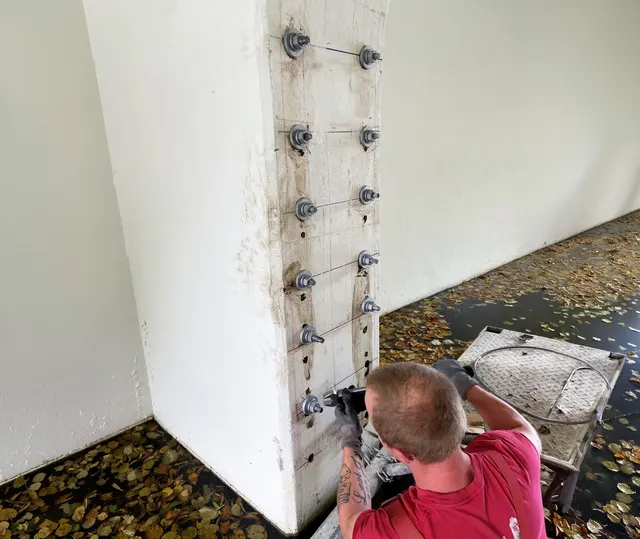
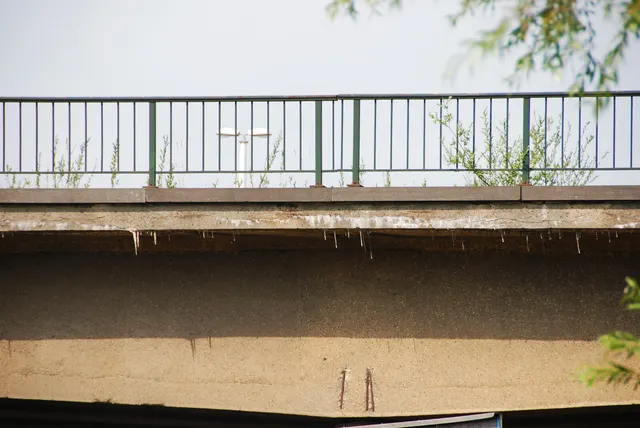
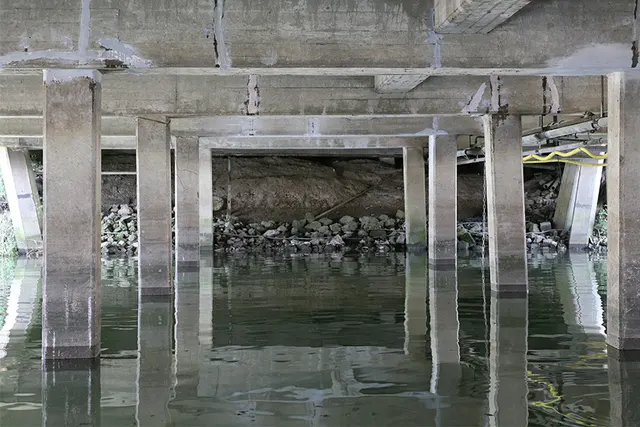
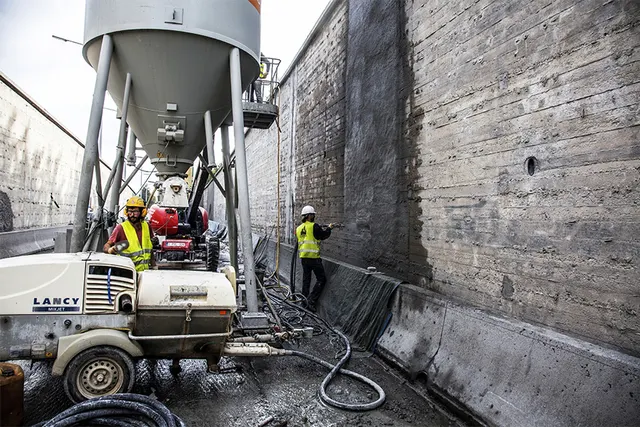
The restoration of historic concrete is not yet a mature field. One recurring problem is that companies specialising in concrete repair focus purely on the technical aspects of these structures. The uniqueness of each structure does not always receive sufficient attention. The Cultural Heritage Agency of the Netherlands champions the maintenance, repair and renovation of historic concrete structures while preserving their cultural heritage values.
“The Cultural Heritage Agency of the Netherlands effectively fulfils two roles,” begins Michiel van Hunen, senior specialist in conservation and restoration. “We have a statutory duty to advise municipalities (the competent authorities) on interventions to listed buildings, including work on historic concrete. The municipality decides whether to grant a permit on the basis of that advice. At the same time, we also present ourselves above all as a knowledge organisation. Through publications, books, articles for our knowledge base and brochures, we disseminate our message as widely as possible and reach owners of structures, restoration architects, contractors, engineering firms, …”
First point of contact
The Cultural Heritage Agency of the Netherlands does not own any built heritage itself. “These properties are held by other organisations, such as the Central Government Real Estate Agency. So we do not develop plans ourselves, but respond to plans as part of the formal process,” Van Hunen stresses. “Ideally, we would be involved at the preparatory stage, as a knowledge and expertise centre.” To maximise its reach, the Cultural Heritage Agency of the Netherlands also has local representatives. “Each region has, among others, a building adviser, as well as an architectural historian, an archaeologist and a landscape architect. They act as the first point of contact and can draw on colleagues for more specialised issues, such as those handled by the Monuments Department, of which I am a member. I specialise in, among other things, historic concrete, historic steel structures and historic masonry. Our department also has specialists with expertise in natural stone, bells, organs, windmills, colours, timber, sustainability, and so on.”
Heritage value assessment
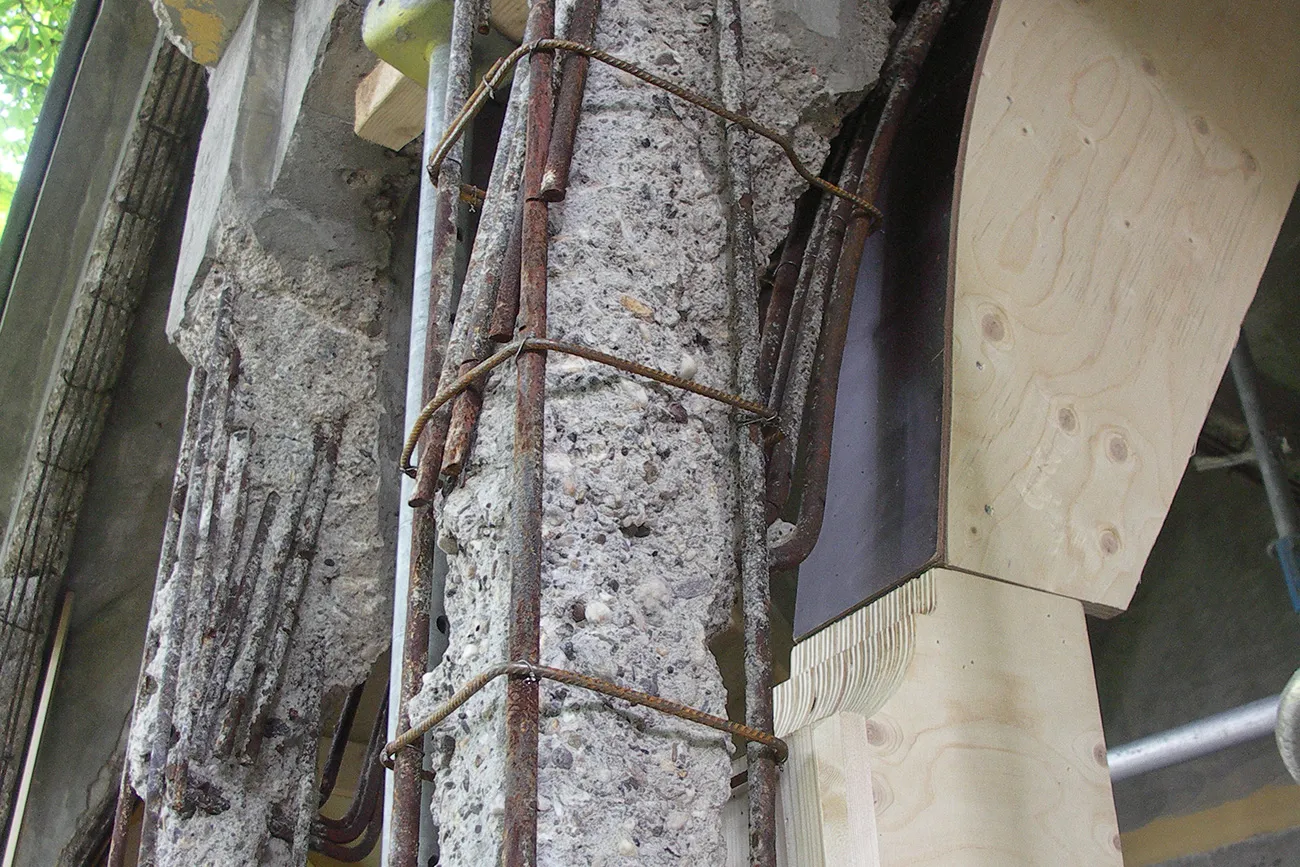
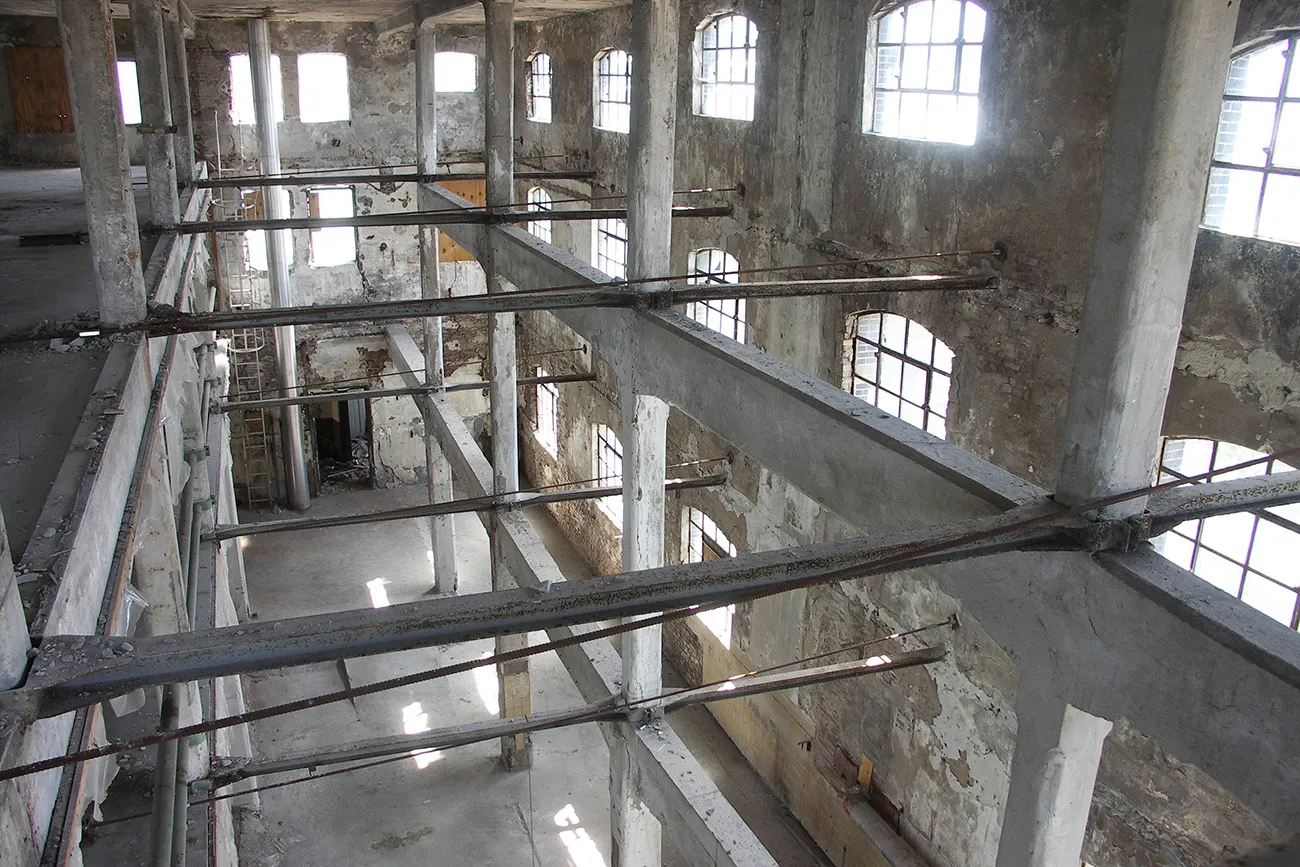
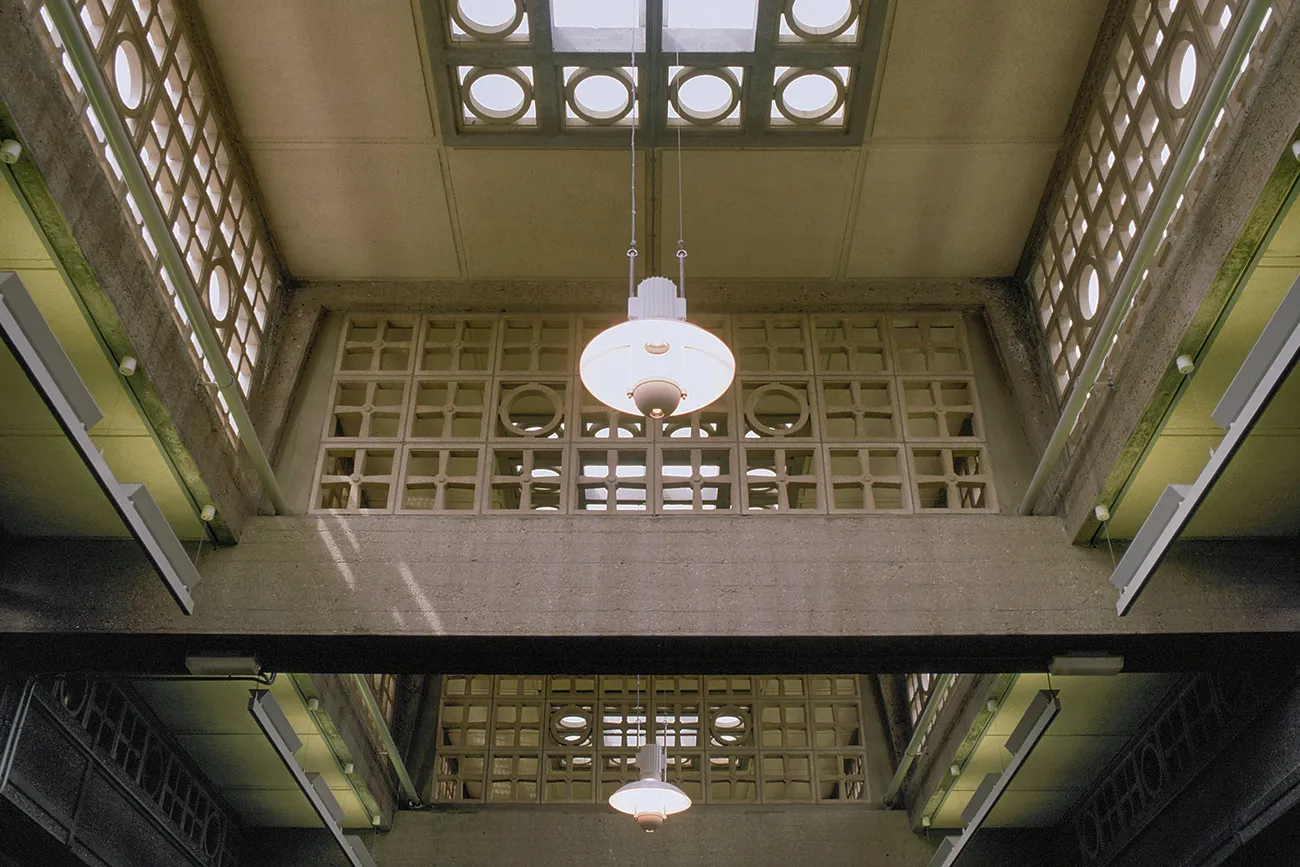
When maintaining concrete in historic structures, it is important to take account of the guidelines issued by the ERM Foundation, the recognised body for the quality of monument restoration. “It has drawn up two implementation guidelines for the restoration of historic concrete (Betonrestauratie-Advies (URL 2003) and Betonrestauratie-Realisatie (URL 4005)). As I said, specialist concrete repair contractors unfortunately do not always take the historic aspects of a structure into account. Suppose a structure is affected by chloride attack. In nine cases out of ten, the concrete in modern structures would be replaced. With historic structures, it is important to establish more details. What exactly is the chloride content? How great is the risk? Is there an alternative repair method that involves retaining more of the material? For work on a historic structure, we advocate a building-history or heritage value assessment. Historic value has multiple layers. Before work begins, it is important to establish whether that value lies in the history of use or, for example, in the architectural concept.”
Kazematten
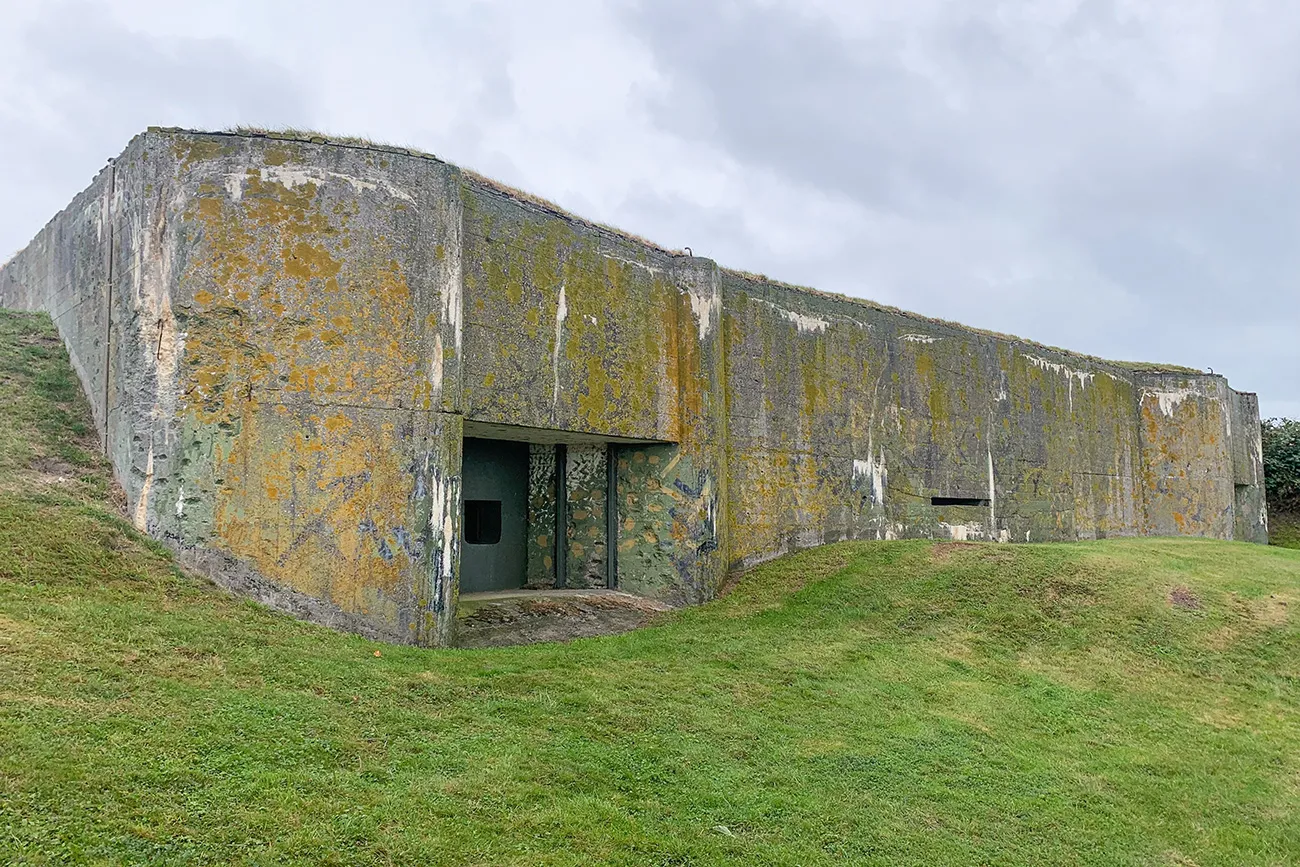
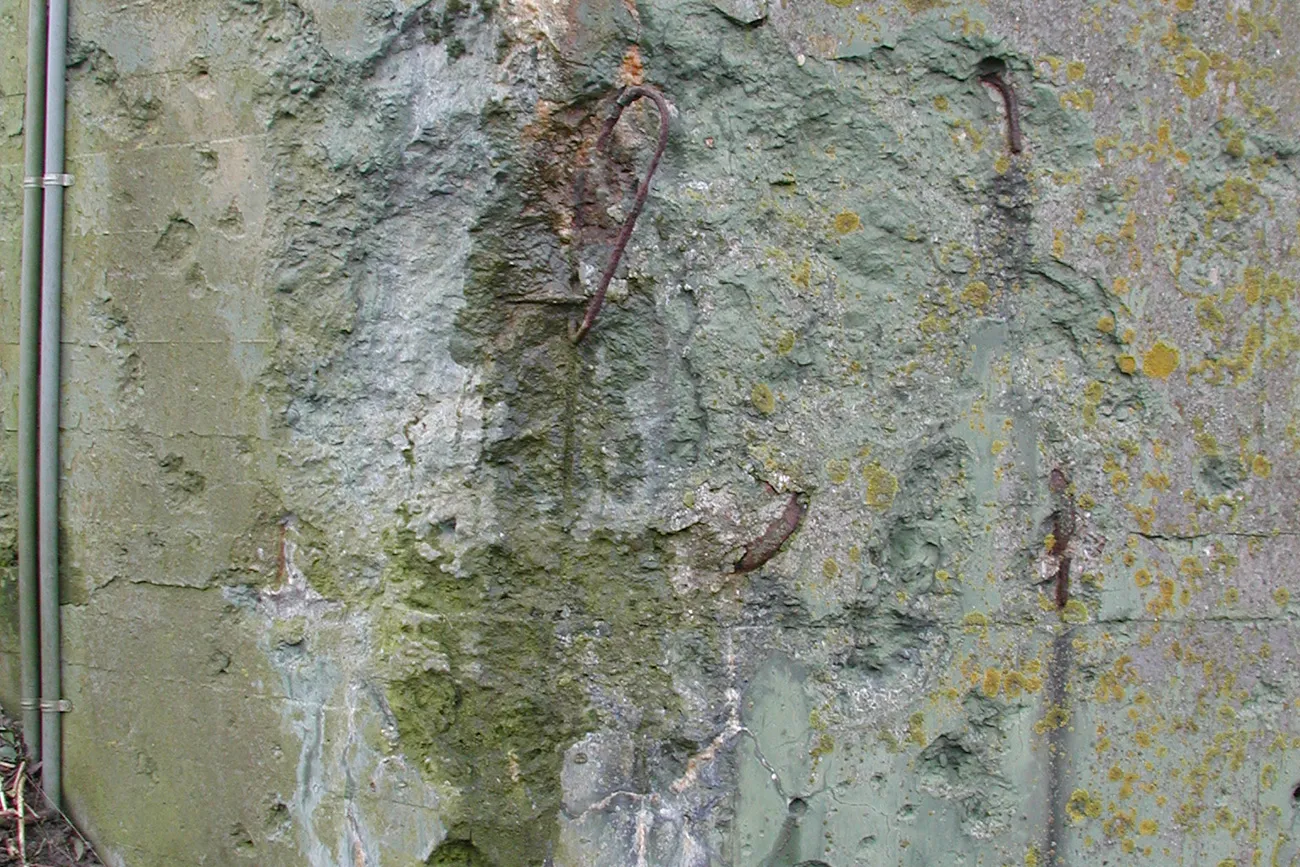
A good example of this ‘layered value’ can be seen at the famous Kazematten in Kornwerderzand, which have a material problem. “They have both their original painted decoration and bullet impacts from the war. Their value is clearly on the surface,” Van Hunen emphasises. “The challenge is to find a technical solution to halt carbonation and ASR (alkali-silica reaction) and prevent further damage, while preserving their historic value. The Cultural Heritage Agency of the Netherlands is closely involved, together with colleagues from the region. We are active in many areas to underline the importance of historic aspects when maintaining historic concrete structures. We therefore recommend following the ERM Foundation’s guidelines when carrying out work, and refer to them in grant decisions. We also help owners and managers deal with historic concrete through articles in our knowledge base (kennis.cultureelerfgoed.nl). All of this is aimed at achieving the highest possible quality while preserving cultural heritage.”
Question about this story? Ask your question
Keep following this
Get an email when a new story is published. No account needed.
- ThemeBuilding in the existing city
- SubjectRenovation