









One of the lowest ECI scores in the Netherlands
Text Liliane VerwooldeImage Van Ee Staalspecialisten
‘It starts with the sustainable quality of new steel’
There are significant sustainability gains to be made by using steel in construction & infrastructure. Given steel’s robust properties, everyone knows that this material can, and must, be reused. But that raises a number of questions. What is the Environmental Cost Indicator of the steel used? Where can you find reclaimed steel when you need it? And who can guarantee the quality of reclaimed steel?
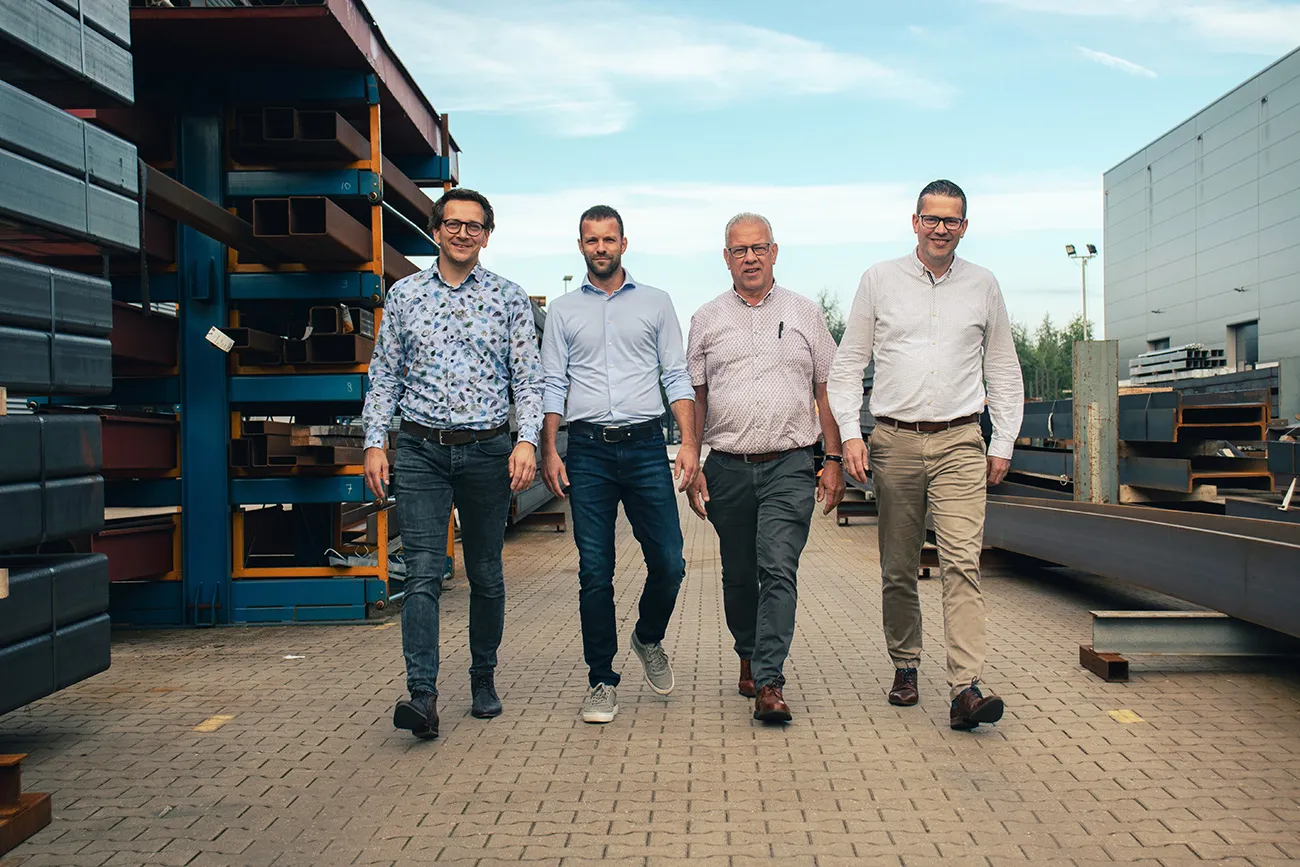
Van Ee Staalspecialisten, based in Barneveld in Gelderland, has been operating in the steel industry for 45 years and has long been committed to making steel more sustainable. In doing so, it has encountered all the issues outlined above. It is now one of the pioneers in circular steel structures. “Reusing steel whose history you do not know is difficult, because you cannot say anything about its quality and have to verify it afterwards through costly inspections. We need to solve that problem first,” says Gerben van Beek, Commercial Director at Van Ee Staalspecialisten.
Circular steel with monitoring
The days when government bodies and major clients focused solely on the price of construction projects are over. The environmental impact of a project being tendered now plays an equally important role. This makes transparency about sustainable quality, for both new and used steel, essential. “At Van Ee, we started by focusing on the sustainable quality of new steel, which led to the launch of our new company, EECULAIR,” says Van Beek. “We buy new steel from the most sustainable suppliers and have made our processing and preservation processes as sustainable as possible. When the steel elements are delivered, they are linked to a monitoring system that records their history. This means each user can see whether a forklift has ever collided with them, whether the protective coating has been damaged and whether the fasteners have been used correctly. Everything is documented.”
Registration and buy-back guarantee
The EECULAIR monitoring system makes the steel elements traceable once their first period of use has come to an end. The steel, complete with an Environmental Cost Indicator (ECI) and its history, is now registered in the National Environmental Database and can be found by parties able to put the reclaimed steel to new use. If no new use is available yet, Van Ee Staalspecialisten will take back the steel it supplied. “This is agreed at the time of purchase in the buy-back guarantee we can provide,” explains Van Beek.
Practical steps
The approach is based on a long-term vision, but Van Beek believes the time is almost right to achieve the first successes. Sustainability certification schemes such as BREEAM also encourage construction companies to use circular steel. “Using circular steel can significantly boost your BREEAM score,” says Van Beek. “We also see permits being granted for projects using circular steel that would otherwise not go ahead.” The growing number of building conversions, such as factories being transformed into event venues and office buildings being converted into homes, also makes circular steel an attractive option. “It feels good to encourage reuse and take practical steps towards a fully circular construction economy. This is no longer about idealism. It is about realism.”
Have a business enquiry for EECULAIR? Get in touch
Companies in this story
Keep following this
Get an email when a new story is published. No account needed.
- ThemeLess CO2 In concrete and steel
- SubjectSustainability & circularity
- CompanyEECULAIR