Maintenance inspections of 6,400 structures
Text Roel van GilsPhotography Rijkswaterstaat
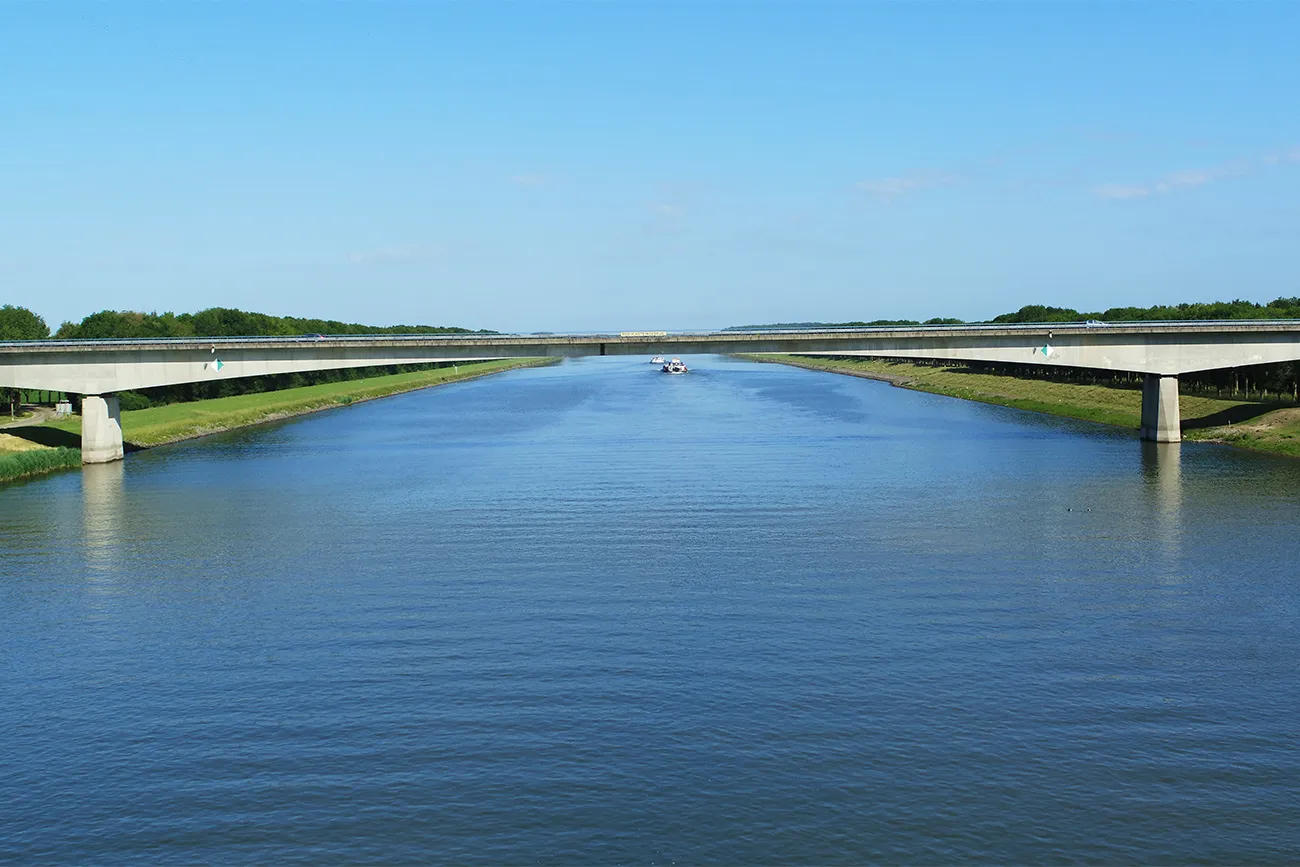
Just like cars, the 6,400 structures managed by Rijkswaterstaat across the Netherlands are inspected periodically. The primary aim is to ensure safety, but the inspections also provide a realistic estimate of future maintenance needs. Rijkswaterstaat is not alone in this: all owners and managers of structures carry out inspections to some extent. However, the portfolio of the country’s largest road authority has a number of special characteristics.
“We have been carrying out periodic inspections of roads and structures for as long as anyone can remember,” says Mark Zwaan, programme manager at Rijkswaterstaat.
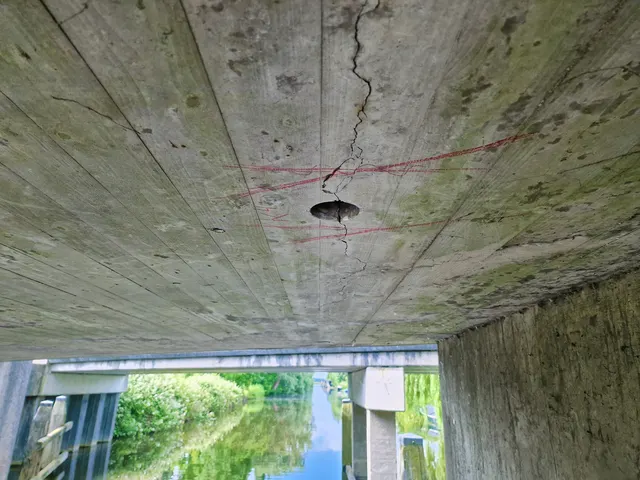
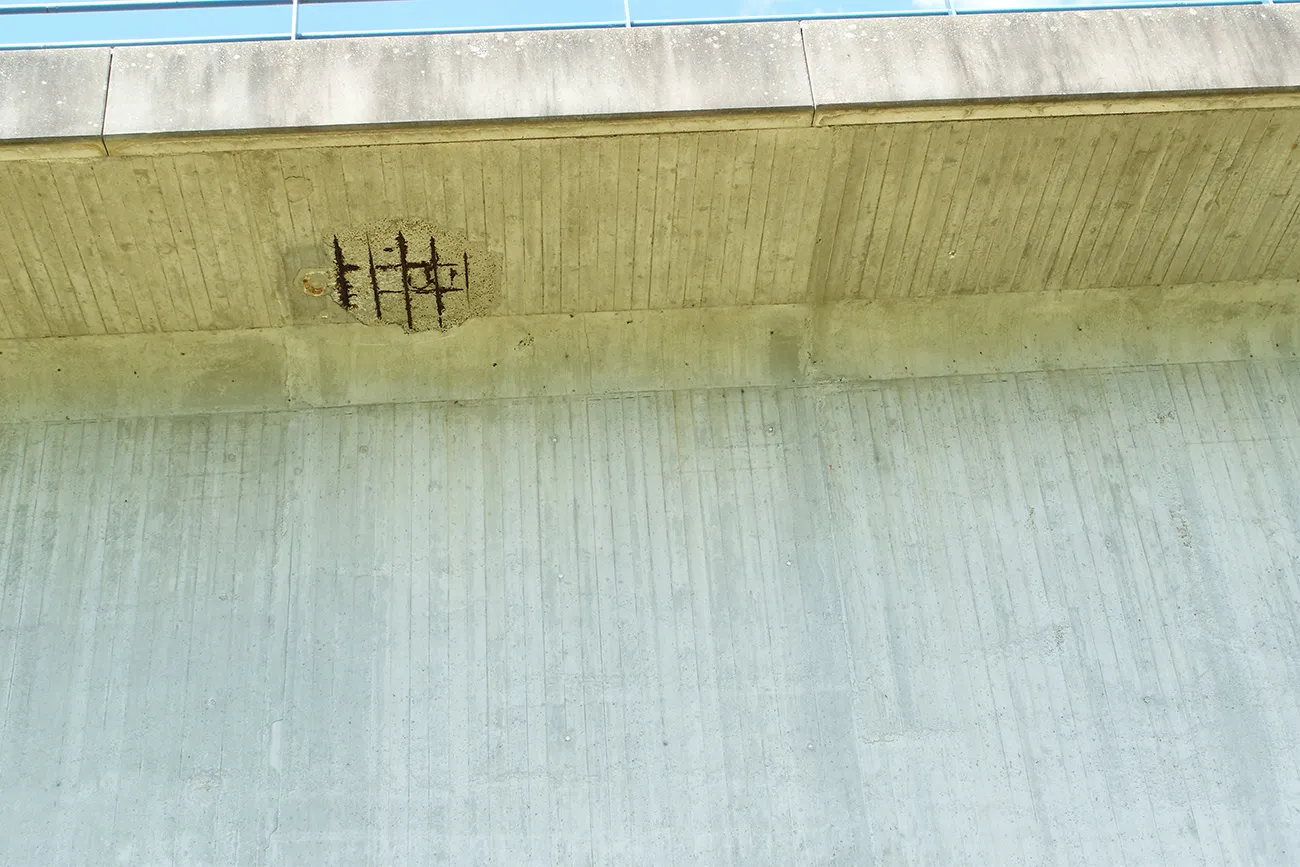
“For the past few years, we have distinguished between three types of inspection for structures: visual checks, condition inspections and maintenance inspections. Visual checks are carried out almost daily by contractors and inspectors working in the network. A condition inspection is a technical inspection repeated annually, similar to a periodic vehicle test. Finally, the maintenance inspection is the most extensive type of inspection and is carried out once every six years. The structure is examined from top to bottom. The inspection also includes an estimate of the risks (in other words, maintenance needs) we can expect over the next ten years, so that the asset and its function can be maintained in the long term.”
Genoa
The national road and waterway infrastructure is vital to our economy. “When you are talking about maintenance on large locks, bridges and tunnels, the costs are immediately very high. You have to manage that and set aside the necessary funds,” Zwaan explains. “And when maintenance is carried out, it often causes considerable disruption. That is another reason why good planning and looking ahead are essential to minimise disruption as far as possible. All inspections are risk-based. If we see the risk increasing, we also increase the depth of the inspection, carry out an additional inspection or bring a periodic inspection forward. We want to prevent a situation like the one in Genoa. Safety is our top priority.”
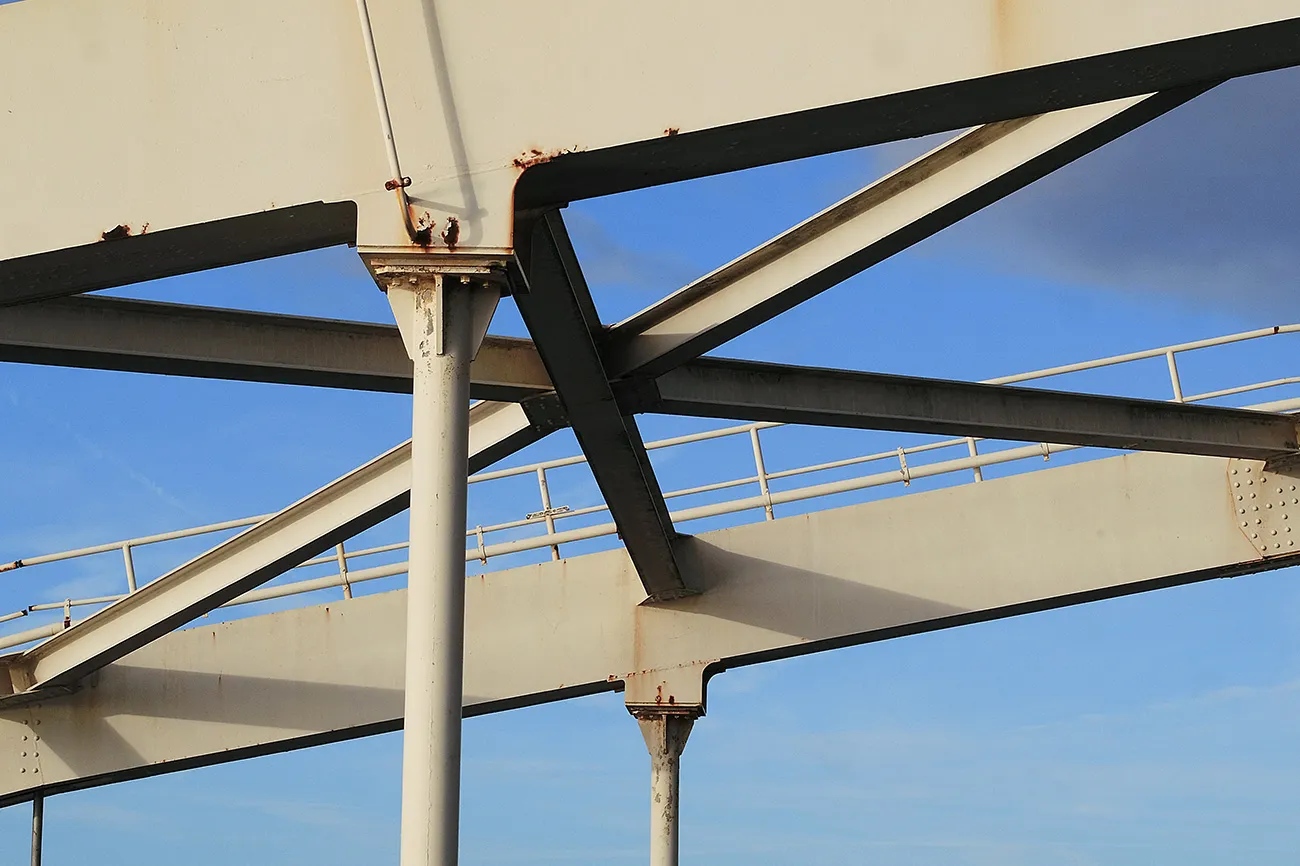
This was made all the more clear when the Merwede Bridge was abruptly closed in 2016. “We were dealing with a type of damage that was relatively unknown and that we had little or no experience of. There was a suspicion of hairline cracks in the connections, but these could not be seen with the naked eye. To avoid taking any risks with the structural safety of the bridge, we immediately assumed the worst-case scenario.”
Building in a learning curve
No structure managed by Rijkswaterstaat is exempt from the six-yearly maintenance inspection. “All 6,400 structures in our portfolio are inspected,” says Zwaan. “They range from viaducts and large culverts beneath roads to tunnels, bridges, locks, pumping stations and aqueducts. Only small culverts and storm surge barriers are outside our scope. The latter have a separate status and are managed separately. We award inspection contracts for the 6,400 structures to inspection firms and engineering consultancies. The contracts run for three years, which helps us achieve efficiencies and build in a learning curve. Asset management is constantly evolving across the infrastructure sector, including at Rijkswaterstaat. Over time, new insights emerge, and we can respond to them more effectively through new contracts. The contracts cover the entire portfolio. Using our master plan and risk-based approach, we decide which assets are due for inspection and aim to inspect an average of 1,000 structures a year.”
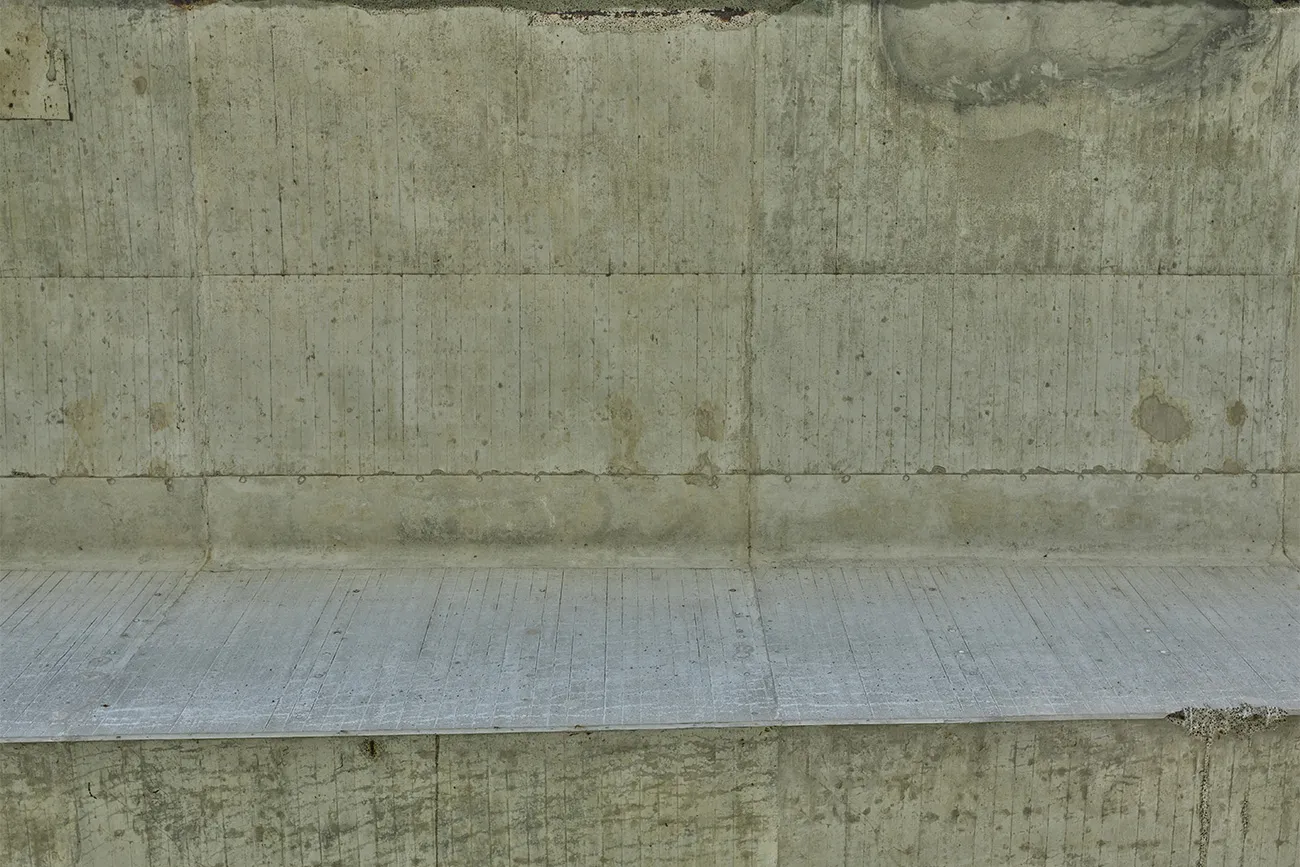
The maintenance inspections produce a comprehensive report detailing identified defects, risks, control measures and costs. “These reports are used to prioritise maintenance and group it by area, helping us optimise delivery as well. Depending on the level of urgency, we try to plan maintenance cost-effectively and with minimal disruption. We also have a process in place to ensure we can act immediately when a situation becomes critical. Because, once again, safety comes first.”
Question about this story? Ask your question
Keep following this
Get an email when a new story is published. No account needed.
- ThemeMaking bridges and civil structures last longer
- SubjectTreatment & protection