Certification for the Safety Culture Ladder?
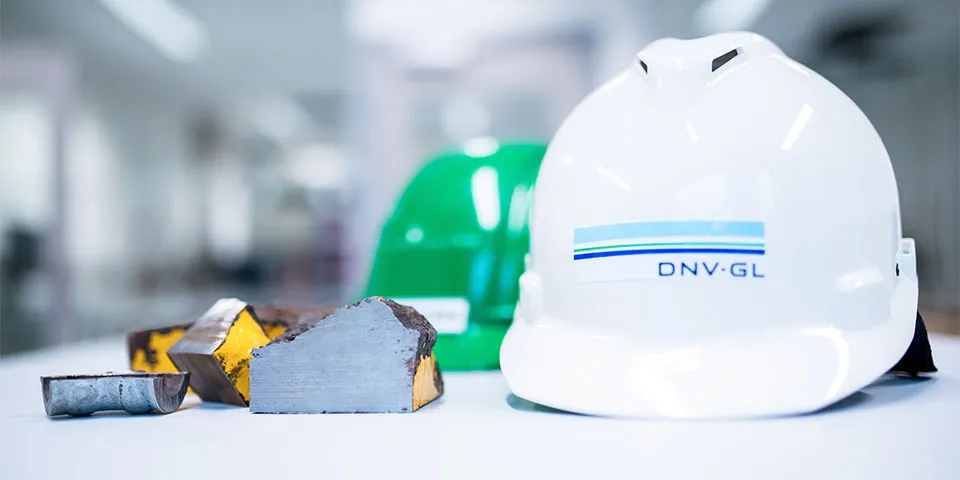
As the Safety Culture Ladder (SCL) gains an increasingly important place in the construction industry, construction businesses are asking whether it is time for them to get certified too. And what should they bear in mind? What can they expect during the SCL certification process?
‘There is no quick fix’
The Safety Culture Ladder concerns safety awareness within an organisation. In an organisation with a well-developed safety culture, safety is discussed openly. The workplace is an environment where safety is safeguarded at every level of the organisation. This means that the company culture is assessed as part of the SCL certification process. The auditors speak to employees at every level of the company on a sampling basis, building up a picture of their level of safety awareness.
Conversations in a relaxed atmosphere
The SCL certification process is therefore not about checking documents or scrutinising situations. It is about assessing safety awareness in terms of attitude,
behaviour and culture. Lizette van der Graaf, Lead Auditor at DNV GL, explains how this works in practice: “To assess people’s genuine, intrinsic motivation to work safely, two auditors talk to a large number of employees. The conversations can cover all kinds of aspects and are generally relaxed.”
Toolbox talk
Van der Graaf gives the example of a company that had just held a toolbox talk. The talk came up in several conversations. “We asked how the toolbox talk had gone. Who was there? What resources were used? What topics were covered? If everyone gives more or less the same answers, that is probably the truth, and there is no need to ask for supporting documents. During the audit, the auditors use all their senses to build as complete a picture as possible of the level of safety awareness.”
Joining the ladder
Achieving certification quickly at the higher levels is difficult. There is no ‘quick fix’ for behaviour. Smaller organisations are easier to influence; influencing thousands of employees requires a sustainable, consistent policy. Van der Graaf has also found that joining at step 4 or 5 is an illusion. “The SCL has been in use since 2012, and the number of companies certified at the highest level is minimal. Moving up the ladder requires tremendous ambition.”
Measurable results
By contrast, joining at the second step is certainly achievable. Van der Graaf has seen a rising number of certified companies. “The number of certification applications is growing because certification has been linked to tender criteria. But the main objective remains to develop safety awareness and reduce the number of accidents. Measuring the results remains difficult, however. The level of safety awareness is also affected, for example, by employees joining and leaving the organisation. This means the issue requires continuous attention. And that, of course, is precisely the point.”
Want to know more about the Safety Culture Ladder?
A business enquiry for DNV? Get in touch
Companies in this story
Keep following this
Get an email when a new story is published. No account needed.
- ThemeStandards, testing and liability
- SubjectGeneral
- CompanyDNV